Transform Your Yard With Professional Synthetic Turf Setup
Revamping a yard by means of professional synthetic turf installation brings numerous advantages. Homeowners have the capability to attain a vibrant, green landscape absent the requirements of conventional lawn care. Experienced installers concentrate on careful preparation and premium materials, delivering longevity and visual attractiveness. As property values rise and maintenance costs decrease, many are considering this modern solution. Yet, before making a decision, it’s essential to explore the key benefits and considerations involved. Which factors should be considered in this change?
Why Opt for Synthetic Turf? Key Advantages Investigated
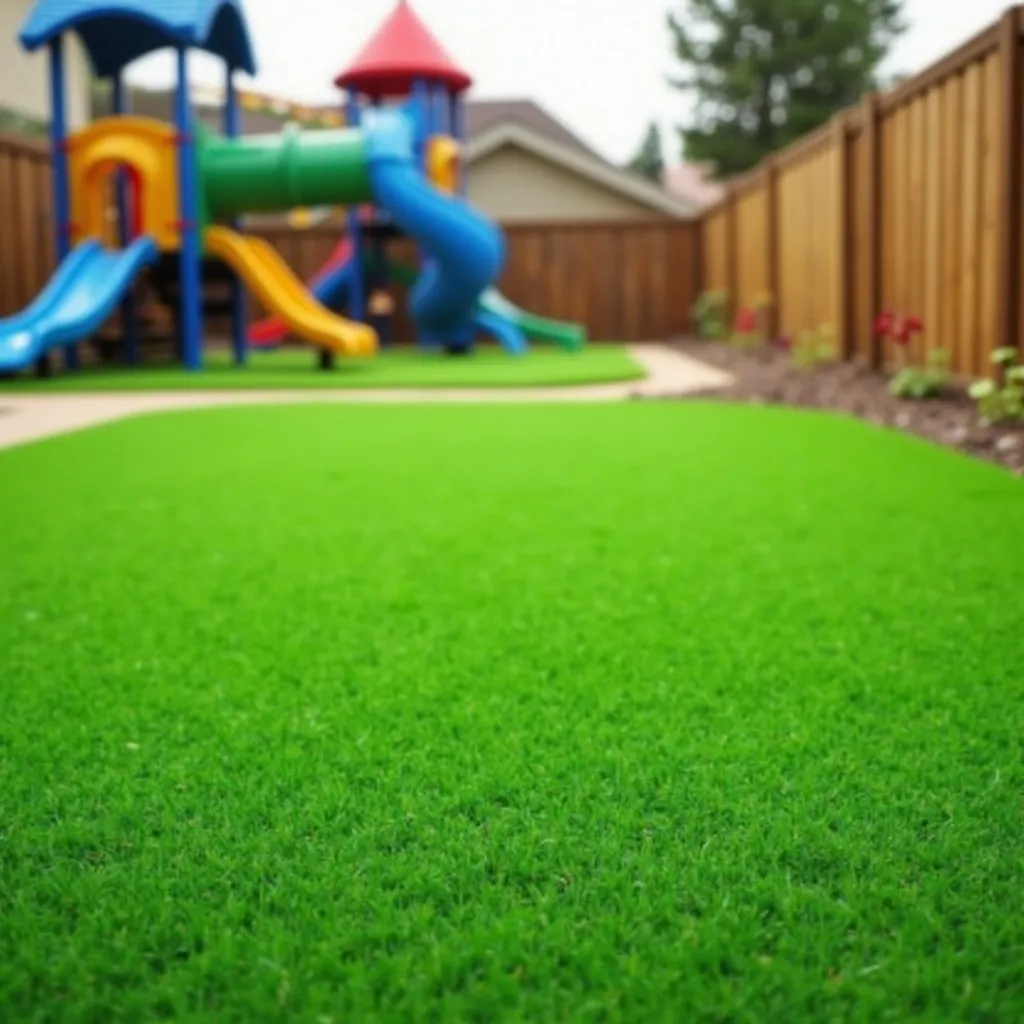
Synthetic turf provides many benefits that make it an attractive choice for diverse applications. One important benefit is its low maintenance requirement. Unlike natural grass, synthetic turf does not need regular mowing, watering, or fertilization, which conserves time and resources. Additionally, it remains lush and green year-round, regardless of climate conditions, providing consistent aesthetics.
A further advantage is toughness; synthetic turf can handle heavy foot traffic and adverse weather without wearing down. This strength makes it perfect for sports fields, playgrounds, and residential lawns. Moreover, synthetic turf is designed to be safe and non-toxic, decreasing the risk of allergens and pests.
Cost-effectiveness remains a key benefit, as it can enable lower water bills and decreased upkeep expenses over time. Overall, the combination of aesthetics, durability, safety, and financial savings makes synthetic turf an increasingly popular choice for residents and enterprises alike.
Determining the Right Classification of Manufactured Turf
Choosing the right type of synthetic turf requires multiple important factors. Elements such as pile height, material durability, and available design and finish choices play an crucial role in guaranteeing the turf satisfies particular needs. Comprehending these components helps in creating an informed decision that aligns with functional needs and aesthetic preferences.
Turf Pile Height Specifications
When deciding on the appropriate type of synthetic turf, pile height plays an essential role in both aesthetics and usefulness. Pile height, which relates to the length of the grass blades, considerably impacts the look and practicality of the turf. Shorter piles, generally around 1 to 1.5 inches, provide a more manicured look and are commonly suitable for high-traffic areas, as they help prevent matting. Conversely, taller piles, measuring 2 to 2.5 inches, provide a lush, natural appearance, well suited to residential lawns and recreational areas. However, taller turf may require more maintenance to maintain its structure. Ultimately, selecting the right pile height involves balancing aesthetic considerations with practical requirements to achieve the best result for any outdoor space.
Material Longevity Factors
Durability proves to be a critical aspect in choosing the right type of synthetic turf. When considering synthetic grass, one must examine the materials used in its making, as they directly affect longevity and performance. High-quality polyethylene fibers are often favored for their resilience to wear and fading, while nylon options deliver superior resilience under heavy foot traffic. Additionally, the turf's backing material assumes a significant role; a robust, UV-treated backing can strengthen stability and discourage deterioration over time. Understanding the infill options is also imperative, as certain materials can maximize cushioning and help sustain turf shape. Ultimately, selecting durable synthetic turf guarantees that the investment handles environmental challenges while delivering lasting beauty and functionality.
Color and Texture Variations
Synthetic turf's visual appeal depends heavily on its color and texture options, and choosing the right combination can significantly boost the overall landscape. Homeowners are presented with a selection of colors that include bright greens to more natural, muted tones that imitate genuine grass. Texture is also important; varieties go from plush, cushioned textures ideal for play areas to denser, more resilient varieties fit for heavily trafficked spots. The interplay between color and texture can create focal points or integrate smoothly with current landscape features. Ultimately, picking the suitable synthetic grass not only boosts visual charm but also meets practical requirements, making sure the yard stays welcoming and useful for different uses.
Getting Your Yard Ready for Artificial Turf Installation
Preparing a yard for synthetic turf installation involves several essential steps. First, assessing the current landscape guarantees that the area is appropriate for the new surface. Next, removing debris and obstacles, followed by leveling and grading the soil, creates an perfect foundation for the turf.
Examine Your Existing Landscape
What steps can property owners take to guarantee their yard is ready for synthetic turf installation? First, they should assess the existing soil conditions, making sure it is well-draining and free of contaminants. Homeowners need to identify any slopes or uneven areas that may require leveling to provide a solid foundation for the turf. Additionally, they should consider the sun exposure and existing vegetation, as these elements influence the installation process and turf performance. It is also crucial to assess any irrigation systems, as they might need adjustment or removal. By carefully reviewing these elements, homeowners can create an ideal environment for synthetic turf, ensuring a successful and long-lasting installation. Proper assessment sets the stage for a seamless transformation of the yard.
Get rid of unwanted materials and obstacles
To ensure a smooth installation of synthetic turf, homeowners must first clear their yard of debris and obstacles. This step is essential for achieving a level surface and ensuring proper water management. Homeowners should begin by removing any rocks, branches, or leaves that may interfere with the fitting process. Additionally, old outdoor furniture, toys, and landscaping features must be transported to provide free access to the installation area. It is suggested to check for any underground utilities, as this can avert potential interruptions. By completely emptying the space, homeowners create an ideal environment for synthetic turf installation, facilitating a effortless process that enhances the overall appearance and functionality of the yard.
Flatten and Classify Soil
Achieving a smooth and graded surface is essential for the effective setup of synthetic turf. Thorough soil conditioning secures proper drainage and lowers the risk of inconsistent deterioration. This process requires assessing the terrain layout, identifying low spots, and handling any high areas. Employing a rake or grading implement, the soil can be leveled and compressed, creating a even base. It is essential to eliminate any rocks, roots, or debris that could obstruct the installation. Additionally, verifying the slant carries water from structures helps stop standing water and extends longevity. Employing specialists in this step can enhance accuracy, leading to a beautiful, practical outdoor space that fulfills the aesthetic and practical needs of homeowners.
What Way Can Skilled Installation Increase Lifespan?
While several factors play a part in the lifespan of synthetic turf, professional installation plays an essential role in enhancing its strength. Trained professionals guarantee that the turf is laid on a suitably prepared base, which features compacting the sub-base to prevent settling and uneven wear over time. This process reduces the risk of buckling or folding that can occur with improper installation.
Moreover, professionals utilize premium adhesives and joints, which are crucial for preserving the integrity of the surface. Precision in cutting and connecting pieces avoids fraying and enhances the visual appeal.
Additionally, a professional recognizes the value of accurate infill application, which reinforces the surface and provides stability. By following industry guidelines and best practices, professional installers deliver a solid foundation that significantly extends the lifespan of synthetic turf, guaranteeing it resists heavy foot traffic and changing weather conditions without degrading.
What Should You Anticipate During Installation?
Synthetic turf setup unfolds in a series of organized steps that guarantee a seamless output. Initially, the area is sized and marked, confirming accurate orientation and coverage. Then, the old grass and debris are removed, creating a clean base. The ground is graded to encourage effective water management, a critical component in stopping water collection.
Next, a weed prevention fabric is laid to prevent ongoing weed development, followed by the placement of a compacted foundation layer, usually composed of crushed stone or decomposed granite. This layer enhances stability and cushioning. Afterward, the synthetic turf rolls are meticulously positioned, guaranteeing reduced seams and optimal aesthetic appeal.
The terminal movements involve securing the turf with supports or adhesive, preceded by infilling with sand or synthetic materials to strengthen resilience and simulate natural grass. This extensive methodology culminates in a stunning, low-maintenance lawn available for immediate satisfaction.
Simple Care Approaches for Your Artificial Lawn
Taking care of a artificial lawn is straightforward and requires little effort. Regular upkeep includes a small number of easy tasks to keep the turf read now looking pristine. Initially, occasional brushing with a stiff broom can lift the fibers and stop matting, guaranteeing a authentic appearance.
Next, organic matter like leaves and twigs should be removed regularly, either by hand or using a mechanical blower, to prevent accumulation and discoloration. If pets are present, promptly cleaning up pet messes is important, as it decreases odors and maintains sanitation.
Additionally, washing the surface with water can help remove dust and irritants, making the lawn more pleasant for everyone. For areas experiencing high foot traffic, periodic infill replenishment may be necessary to maintain stability and appearance. Following these simple strategies allows homeowners to maintain a vibrant, low-maintenance lawn year-round.
Evaluating the Price: Is Synthetic Turf Worth It?
How might one evaluate the value of synthetic turf compared to conventional grass? Evaluating costs involves weighing both initial installation and long-term maintenance. While the upfront expense of synthetic turf can be significant—ranging from $5 to $20 per square foot—its longevity often makes it a economical choice. Synthetic lawns can last 15 to 25 years without the need for routine mowing, watering, and fertilizing, substantially reducing ongoing care expenditures.
Property owners need to account for the ecological footprint. Synthetic turf eliminates the reliance on pesticides and herbicides, supporting a more environmentally responsible landscape. Furthermore, it delivers a steady, green appearance throughout the year, which can boost property value.
Ultimately, the merit of synthetic turf centers on personal choices and contexts. For those seeking low maintenance and aesthetic appeal, the outlay may be defensible, while traditional grass might still satisfy others' needs better.
Frequently Asked Questions
Can Artificial Turf Be Installed Over Current Grass?
Yes, synthetic turf can be installed over current grass, but proper preparation is essential. This involves verifying the grass is compressed and clear of obstructions to furnish an fitting foundation for the new turf installation.
What Is the Durability of Synthetic Turf Commonly?
Man-made turf commonly lasts between 15 to 25 years, relying on factors such as quality, maintenance, and environmental conditions. Consistent maintenance can enhance its durability, making it a solid option for various landscaping needs.
Is Artificial Turf Safe for Pets and Children?
Synthetic turf typically offers safety for pets and children, as it is designed to be free from toxins and devoid of dangerous substances. Regular maintenance guarantees hygiene, creating a safe recreational space for both children and pets.
Can Synthetic Turf Be processed for recycling?
Yes, synthetic grass can be recycled. Many producers offer initiatives to recover old turf, allowing it to be processed into new products. This assists reduce waste and promotes environmental sustainability in landscape design.
What Happens if It Precipitates After Setup?
After setup, synthetic turf typically drains rainwater effectively, avoiding water accumulation. However, it may require minimal upkeep post-rain, such as clearing debris and brushing, to guarantee peak performance and appearance during wet conditions.